Scarborough Fair/Canticle by Simon & Garfunkel is the 1966 recording that layers a centuries-old English ballad over an anti-war song.
Columbia issued it as a single in February 1968, and it reached No. 11 on the Billboard Hot 100.
Paul Simon learned the tune in London from folk singer Martin Carthy.
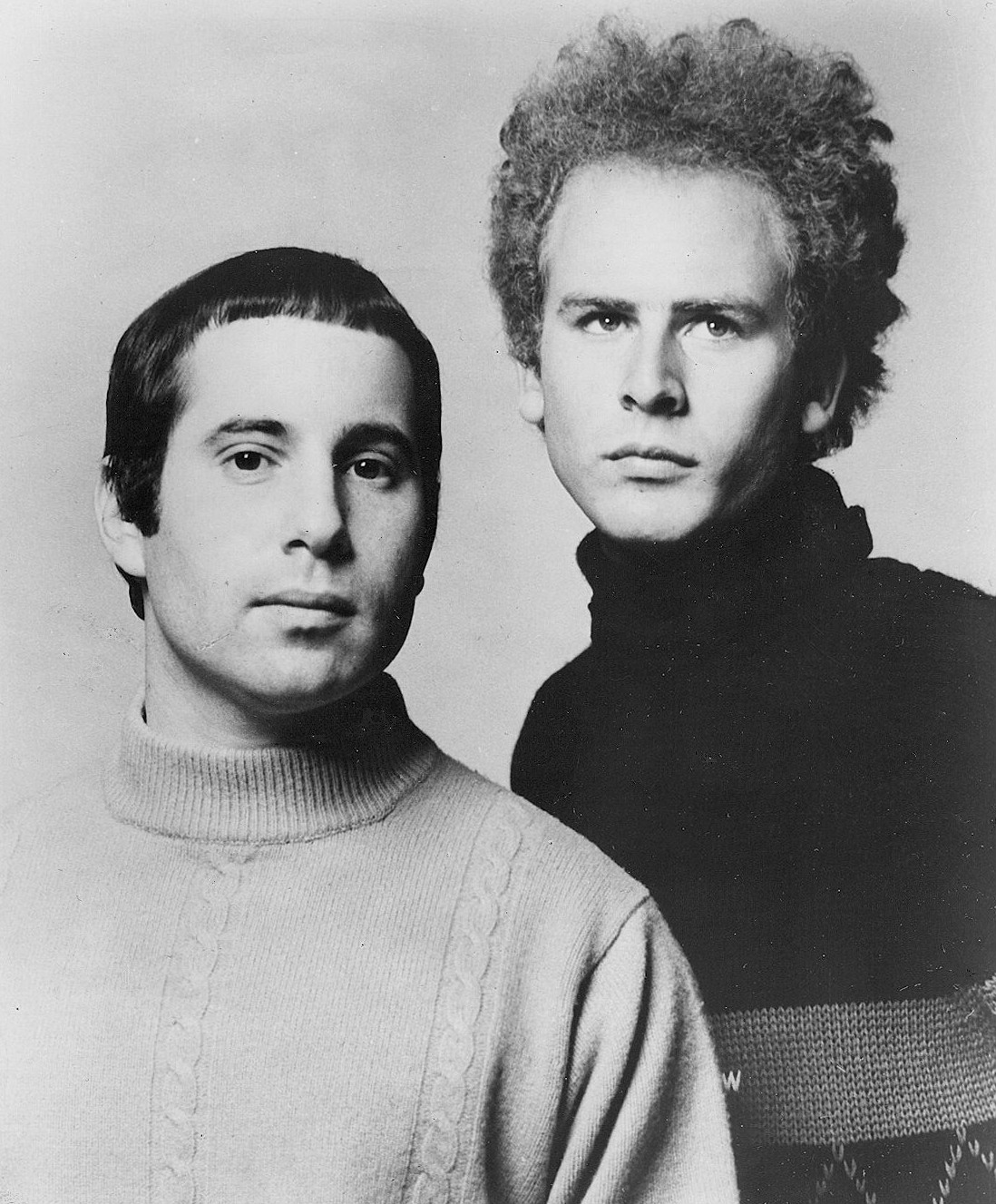
Table of Contents
- Where the Ballad Comes From
- The Canticle Counter-Melody
- Recording the Song
- The Martin Carthy Credit Row
- The Graduate and the Chart Run
- Legacy and Covers
- FAQ
Where the Ballad Comes From
An Impossible Love Test
"Scarborough Fair" is a traditional Northern English ballad.
A former lover in Scarborough sets the singer a list of impossible tasks.
It is closely related to the Scottish ballad "The Elfin Knight," which has been traced back to 1670.
The parsley, sage, rosemary and thyme refrain appears only in 19th-century versions.
The Tune Everyone Knows
The melody most people hum today was collected by Ewan MacColl in 1947.
His source was Mark Anderson, a retired lead miner from Middleton-in-Teesdale, County Durham.
The Canticle Counter-Melody
Simon and Garfunkel did not just cover the ballad.
They sang a second song against it.
"Canticle" reworks the lyrics of Simon's 1963 anti-war song "The Side of a Hill."
Art Garfunkel composed most of the new melody.
"The Side of a Hill" also appears on The Paul Simon Songbook, Simon's 1965 solo album for the UK.
Recording the Song
July 26, 1966
The duo cut the track on July 26, 1966, for the album Parsley, Sage, Rosemary and Thyme.
Bob Johnston produced and Roy Halee engineered.
Garfunkel later said he and Simon became producers on this track because they stood beside Halee while he mixed it.
The Players
- John Meszar played harpsichord.
- Carol Kaye played bass guitar.
The album followed in October 1966 and peaked at No. 4 on the Billboard 200.
The Martin Carthy Credit Row
Simon learned the song in London in 1965.
Carthy had just recorded it on his debut album, working from the MacColl and Peggy Seeger songbook.
The copyright named only Simon and Garfunkel, with no credit for Carthy as arranger.
Simon told Mojo in 2011, "Really, it was just naivety on my part that we didn't credit it as his arrangement of a traditional tune."
A later settlement went to Carthy's publisher, and Simon says Carthy received nothing from it.
The two did not speak until October 2000, when Simon invited him onstage at London's Hammersmith Apollo to sing it together.
The Graduate and the Chart Run
The song was an album track for more than a year.
Then The Graduate carried it on the film's soundtrack in a 6:22 version.
Columbia issued the 3:10 single in February 1968, with "April Come She Will" on the B-side.
It reached No. 11 in the US and No. 5 in Canada, and the UK later certified it Silver.
See how the year unfolded in our 1966 music year guide.
| Measure | Detail | Result |
|---|---|---|
| Billboard Hot 100 | US singles, 1968 | No. 11 |
| RPM Top Singles | Canada, 1968 | No. 5 |
| BPI | UK certification | Silver |
| Billboard 200 | Parsley, Sage, Rosemary and Thyme | No. 4 |
Legacy and Covers
Other Versions
- Sergio Mendes and Brasil '66 reached No. 16 in the US with it in 1968.
- Sarah Brightman cut it in 2000.
- Simon sang it with Miss Piggy on The Muppet Show on October 18, 1980.
Where It Fits
Bob Dylan had already borrowed lines from the ballad for his 1963 song "Girl from the North Country."
Read his story in our Bob Dylan biography.
Their breakthrough is told in The Sound of Silence.
The full career lives in our Simon & Garfunkel biography, and the wider scene in the Folk Rock genre hub.
FAQ
Who wrote Scarborough Fair?
Nobody knows.
It is a traditional Northern English ballad related to the Scottish ballad "The Elfin Knight," which has been traced back to 1670.
Simon & Garfunkel arranged it and added a counter-melody.
What is the Canticle in Scarborough Fair/Canticle?
Canticle is a second song sung against the ballad.
It reworks the lyrics of Paul Simon's 1963 anti-war song "The Side of a Hill."
The new melody was composed mainly by Art Garfunkel.
Did Paul Simon steal Scarborough Fair from Martin Carthy?
Simon learned the song from Carthy in London in 1965, and the duo did not credit Carthy as arranger.
Simon told Mojo in 2011 that it was naivety on his part.
The two reconciled in 2000.
Was Scarborough Fair in The Graduate?
Yes.
The film's soundtrack carries a 6:22 version of the song.
Columbia then issued a 3:10 single in February 1968.
How high did Scarborough Fair/Canticle chart?
The 1968 single reached No. 11 on the Billboard Hot 100 and No. 5 in Canada.
The UK certified it Silver.
Few records fit a medieval riddle and a modern protest into three minutes so gently.
Wikipedia's entry on the ballad covers the history and chart details in more depth.
Press play above and hear why Scarborough Fair/Canticle by Simon & Garfunkel still lands.