Simon & Garfunkel were a Queens, New York, duo whose close harmonies and literate songs defined late-1960s folk rock.
Their 1964 debut sold about 3,000 copies, yet within six years they had three US No. 1 records and a shelf of Grammys.
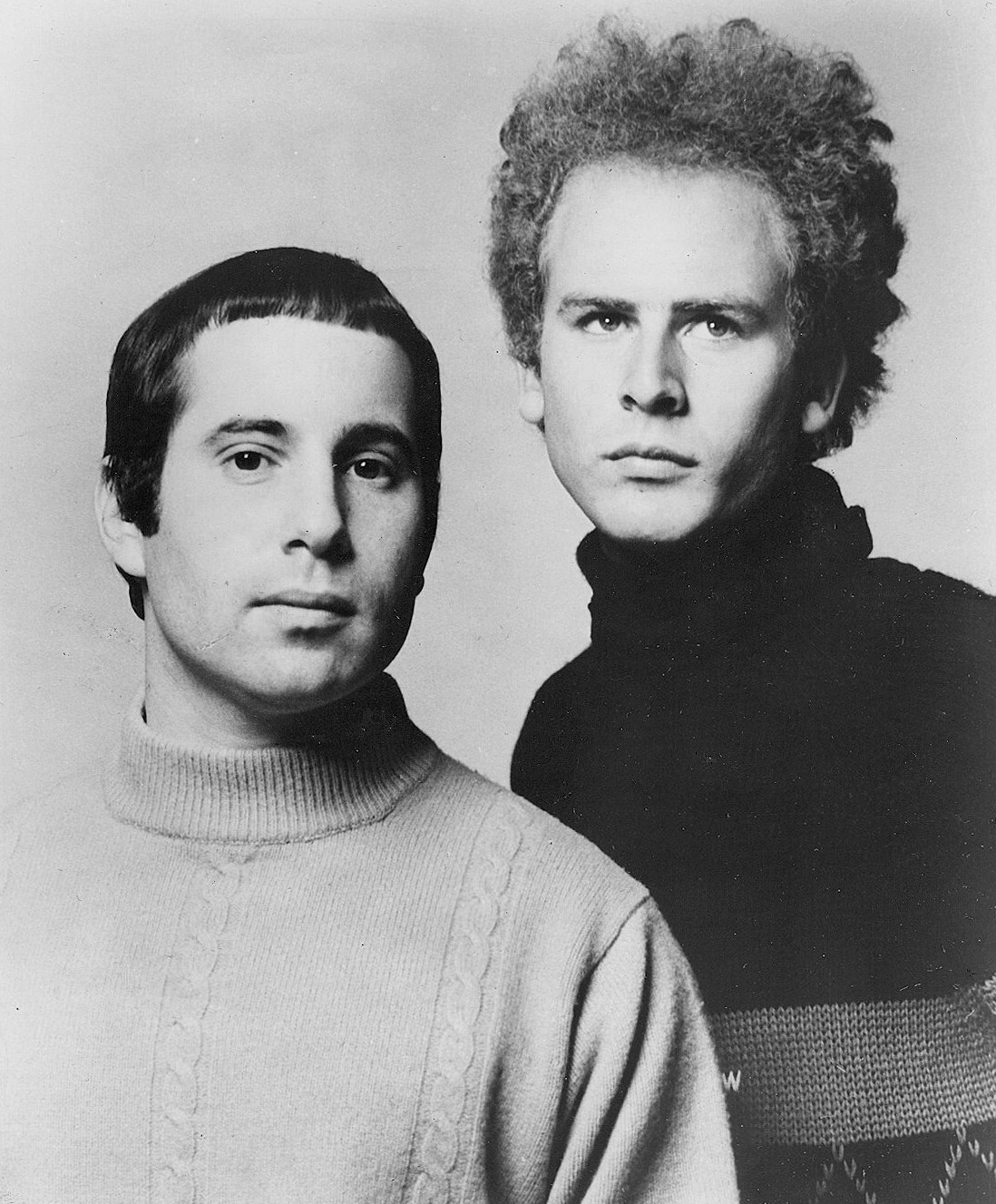
Table of Contents
- How Simon & Garfunkel Started in Queens
- The Sound of Silence Overdub
- The Graduate, Bookends and The Boxer
- Bridge over Troubled Water, the Split and Legacy
- FAQ
How Simon & Garfunkel Started in Queens
Paul Simon and Art Garfunkel met as schoolchildren in Queens in 1953.
They learned to harmonize there and began writing songs together.
As Tom & Jerry, they released "Hey, Schoolgirl" on Big Records in 1957, with "Dancin' Wild" on the flip side.
It was cut for $25 at a small Manhattan studio and sold more than 100,000 copies.
Kane & Garr and the Columbia Deal
By late 1963 the pair were playing Gerde's Folk City in Greenwich Village as Kane & Garr.
Columbia staffer Tom Wilson saw them there.
After an audition that included "The Sound of Silence," Columbia signed them.
Wilson produced their first album, "Wednesday Morning, 3 A.M.," over three sessions in March 1964.
It came out that October and sold about 3,000 copies.
Simon then moved to England and later played small clubs in Denmark.
Garfunkel stayed behind in New York.
The Sound of Silence Overdub
The acoustic "The Sound of Silence" was recorded on March 10, 1964.
On June 15, 1965, Wilson added electric guitar, bass and drums after the "Like a Rolling Stone" sessions with Bob Dylan.
Neither man knew he had done it.
Columbia issued the new mix as a single in September 1965.
It climbed to No. 1 on the Billboard Hot 100 in the week ending January 1, 1966.
The Duo Reunites
Columbia asked Simon to come home, and the pair quickly recorded an album around the hit.
"Sounds of Silence" was rush-released in mid-January 1966 and peaked at No. 21.
"Homeward Bound" entered the US top ten, and "I Am a Rock" reached No. 3.
That sudden fame put folk rock in the pop mainstream, alongside the electric turn Dylan had just made.
Parsley, Sage, Rosemary and Thyme
The next album arrived in October 1966 and reached No. 4 in the US.
It opens with "Scarborough Fair/Canticle," a traditional ballad set against an anti-war counter-melody.
Those sessions also produced "A Hazy Shade of Winter," a stand-alone single that peaked at No. 13 and only reached an album with Bookends in 1968.
The sound was now a polished studio blend that still sat comfortably in the wider 60s rock story.
The Graduate, Bookends and The Boxer
Mrs. Robinson and The Graduate
Director Mike Nichols licensed their music for his 1967 film "The Graduate."
Simon was paid $25,000 to submit three songs.
When Nichols turned down two of them, Simon offered pieces of an unfinished song then called "Mrs. Roosevelt."
It became "Mrs. Robinson," released as a single on April 5, 1968.
The record hit No. 1 in the US and No. 4 in the UK.
At the 1969 Grammys it won Record of the Year, the first rock song to do so.
Bookends
"Bookends" came out in April 1968, a day before the assassination of Martin Luther King Jr.
It debuted at No. 1 in the April 27, 1968 issue of Billboard and spent seven non-consecutive weeks on top.
The Graduate soundtrack also reached No. 1 that year.
The Boxer
"The Boxer" was released on March 21, 1969, and peaked at No. 7 in the US and No. 6 in the UK.
Simon has said the lyrics are largely autobiographical and were written while he felt unfairly criticized.
The "lie-la-lie" refrain began as a placeholder.
| Play | ||||
|---|---|---|---|---|
| Wednesday Morning, 3 A.M. | October 1964 | About 3,000 copies sold | Re-release in 1966 charted at No. 30 | |
| "The Sound of Silence" | September 1965 | No. 1 Hot 100 | Electric overdub by Tom Wilson | |
| Parsley, Sage, Rosemary and Thyme | October 1966 | No. 4 album | Opens with "Scarborough Fair/Canticle" | |
| "Mrs. Robinson" | April 5, 1968 | No. 1 Hot 100 | Record of the Year, 1969 Grammys | |
| Bookends | April 1968 | No. 1 album | Seven non-consecutive weeks on top | |
| "The Boxer" | March 21, 1969 | No. 7 Hot 100 | UK No. 6 | |
| Bridge over Troubled Water | January 26, 1970 | No. 1 album, 10 weeks | Six Grammys in 1971 |
Bridge over Troubled Water, the Split and Legacy
The Last Album
The title single came out on January 20, 1970, and reached No. 1 on the Hot 100.
The album followed on January 26 and held the top of the US chart for 10 weeks.
Simon was listening to gospel music at the time, especially the Swan Silvertones' "Mary Don't You Weep," which inspired the title.
He asked Garfunkel to sing lead, and Garfunkel first refused before agreeing.
At the 1971 Grammys the album won six awards, including Album of the Year.
Why They Split
The pair parted ways in 1970, at the height of their success.
Accounts point to artistic disagreements and a strained relationship.
Reunions and Honors
They played a free concert in Central Park on September 19, 1981, for more than 500,000 people.
The Rock and Roll Hall of Fame inducted them in 1990, with James Taylor doing the honors.
They received a Grammy Lifetime Achievement Award on February 23, 2003.
Their best-loved records come from 1965 through 1969, and "Mrs. Robinson" earns a place on the best 60s songs list.
FAQ
Who were Simon & Garfunkel?
They were an American folk-rock duo of singer-songwriter Paul Simon and singer Art Garfunkel.
The two met at school in Queens, New York, in 1953.
What was their first big hit?
"The Sound of Silence" reached No. 1 on the Billboard Hot 100 in the week ending January 1, 1966.
Producer Tom Wilson had added electric instruments to the 1964 acoustic recording without the duo's knowledge.
Which songs did the duo write for The Graduate?
Director Mike Nichols licensed their music for the 1967 film.
"Mrs. Robinson" grew out of an unfinished song Simon offered after Nichols turned down his other submissions.
Why did the duo break up?
They parted in 1970, after the success of "Bridge over Troubled Water."
Accounts point to artistic disagreements and a strained relationship.
Are they in the Rock and Roll Hall of Fame?
Yes.
They were inducted in 1990 as performers, and James Taylor inducted them.
Their story is a flop turned into a phenomenon by an uninvited producer.
Fans of the folk rock hub will find them beside Dylan, as Wikipedia's entry on the duo details.
Back to the 1960smusic.net homepage to explore every genre of the decade, and keep the records spinning.