Bits and Pieces Dave Clark Five was the follow-up to the number one single Glad All Over.
The band cut it in late 1963 and put it out in February 1964.
It hit number two in Britain, and crowds stamped so hard that dance halls banned it.
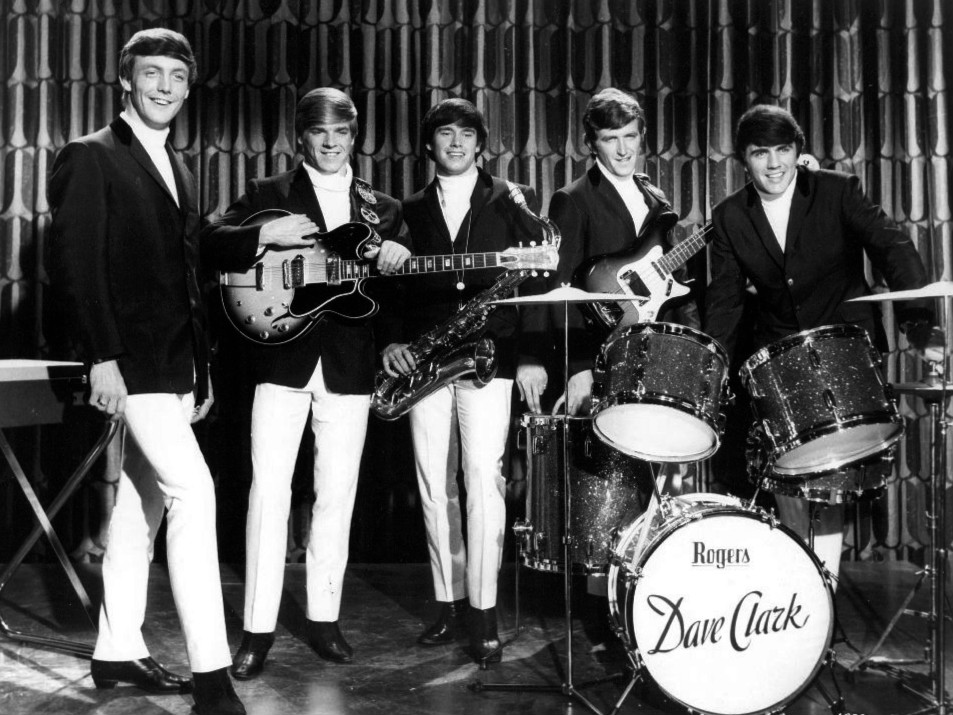
Table of Contents
- Building the Stomp
- Following Glad All Over Up the Charts
- The Song Dance Halls Banned
- Who Wrote It
- FAQ
Building the Stomp in the Studio
The idea came from the stage, not the studio.
The band often ended shows with a long instrumental while the whole hall stamped along.
At the Tottenham Royal, Dave Clark had the lights man flick the house mains on and off in time with the beat.
The crowd went with it every night.
Clark and Mike Smith built a new song around that stamp.
Scaffold Boards on the Floor
The band recorded the single at Lansdowne Studios in London.
Clark produced it under the label name Adrian Clark, a blend of his own name and engineer Adrian Kerridge.
Les Reed ran the session as music director.
For the stamping sound, band members stood on builder's scaffold boards and stomped on them, not always in time.
Smith sang lead in a call and response, one line out and a shout back from the group.
A Ninety Second Record
The track runs under two minutes.
It has almost no melody, just a riff, a beat, and the shouted title.
The organ came back slightly slow on playback, which Reed blamed on the temperamental Vox Continental.
The band left it and moved on.
Following Glad All Over Up the Charts
Columbia released the single in Britain in February 1964.
Glad All Over had just spent two weeks at number one.
Bits and Pieces climbed fast and stalled at number two.
The Bachelors and Cilla Black held the top spot that month.
The record went to number one in Canada and Ireland.
America and Ed Sullivan
Epic put the single out in the United States in March 1964.
It reached number four on the Billboard Hot 100 that spring.
The band played The Ed Sullivan Show on 8 March 1964.
That was their first appearance on the program.
They went on to play the show eighteen times, more than any other British Invasion band.
The Song Dance Halls Banned
The record was built to make people stamp, and it worked too well.
Fans jumped and stamped in slim boots with Cuban heels.
Dance hall managers worried about their floors and even their walls.
Many of them banned the song outright.
The critic Robert Christgau later called it a wonderfully serviceable rock throwaway, raucous and meaningless.
Who Wrote It
The credit went to Dave Clark and Mike Smith.
Ron Ryan, a songwriter close to the band, later said he wrote it.
He was never credited, and the two accounts have never been reconciled.
Clark kept tight control of the band's songs and its business.
He also owned the master tapes, which kept the music off the radio for years after the band split.
FAQ
Did Bits and Pieces reach number one?
Not in Britain.
It peaked at number two in early 1964, behind The Bachelors and Cilla Black.
It did reach number one in Canada and Ireland.
Why did dance halls ban Bits and Pieces?
The heavy beat made crowds stamp in time, hard.
Managers feared the stamping would damage their floors and buildings.
Several halls banned the record to protect the premises.
Who sang lead on Bits and Pieces?
Mike Smith, the band's organ player.
He sang a line and the rest of the group shouted the answer back.
What made the stomping sound on the record?
Band members stamped on builder's scaffold boards laid on the studio floor.
Heavy drums and tape echo pushed the sound further.
Was Bits and Pieces on an album?
Yes.
It appeared on the 1964 United States album Glad All Over.
The British single B-side was All of the Time.
The single was the band's high point in Britain, and nothing they cut after it climbed as high.
The full rise and fall sits in the Dave Clark Five profile.
It reads next to Glad All Over and the wider British Invasion scene that trailed the Beatles to America.
Back to the 1960smusic.net homepage for more of the decade.
More than sixty years on, Bits and Pieces Dave Clark Five still sounds like a room full of boots coming through the floor.