The Searchers band turned a Liverpool skiffle group into one of the longest-running acts to come out of the British Invasion.
Their jangling twelve-string guitars and tight harmonies carried three UK number ones and made them the second Liverpool act after the Beatles to crack the US charts.
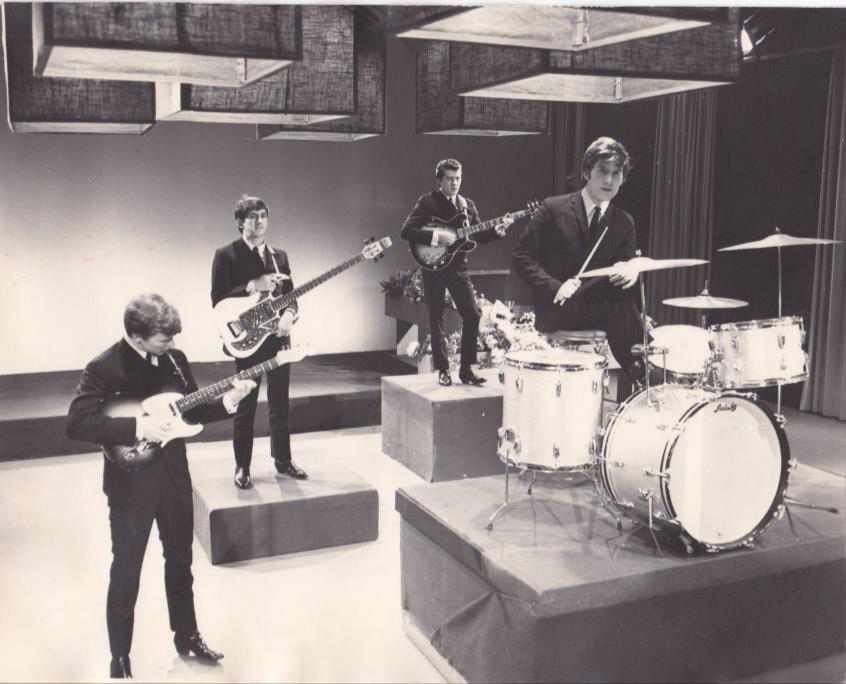
Table of Contents
- Name Origin and Early Breakthrough
- The Twelve-String Sound and Chart Peak
- Personnel Changes and the Long Farewell
- FAQ
How The Searchers Band Got Its Name and Broke Through
John McNally and Ron Woodbridge formed a Liverpool skiffle group called the Army Generations back in 1955.
McNally kept the group going as members drifted in and out over the next four years.
By 1959 the lineup had settled around McNally, Mike Pender, Tony Jackson and drummer Norman McGarry.
The four picked a fresh name from the 1956 John Ford western The Searchers.
That film follows a Civil War veteran hunting for his kidnapped niece across the Texas plains.
The Searchers band borrowed only the title, not the story.
Needles and Pins and the US Breakthrough
Chris Curtis replaced McGarry on drums in 1960, locking in the classic lineup.
A 128-night residency at Hamburg's Star-Club sharpened the band through the summer of 1962.
Pye Records signed the group in 1963.
Their cover of the Drifters' "Sweets for My Sweet" shot to number one in Britain that September.
"Needles and Pins" followed in January 1964 and also topped the UK chart.
It crossed to the United States that March, making the band the second Liverpool act after the Beatles to hit the American charts.
The Twelve-String Sound and Chart Peak
Ringing twelve-string electric guitar became the group's signature texture behind Jackson and Pender's close harmonies.
"Don't Throw Your Love Away" gave the band a third UK number one in the summer of 1964.
"When You Walk in the Room" and "Goodbye My Love" kept the run going into 1965.
Music historians credit that jangling sound as a direct influence on the Byrds' folk rock records a year later.
UK Chart Hits, 1963-1966
The band placed 14 singles on the UK chart across four years, with three of them reaching number one.
| Song | UK Peak | Year |
|---|---|---|
| Sweets for My Sweet | #1 | 1963 |
| Sugar and Spice | #2 | 1963 |
| Needles and Pins | #1 | 1964 |
| Don't Throw Your Love Away | #1 | 1964 |
| When You Walk in the Room | #3 | 1964 |
| Goodbye My Love | #4 | 1965 |
| He's Got No Love | #12 | 1965 |
Personnel Changes and the Long Farewell
Tony Jackson left in mid-1964, replaced on bass by Frank Allen.
Chris Curtis exited in 1966 and John Blunt took over on drums.
Mike Pender departed in December 1985 after a lineup dispute, and Spencer James stepped in on vocals.
McNally remained the only member to stay with the band across six decades of touring.
Drummers changed hands several more times after Curtis left the lineup:
- John Blunt, 1966 to 1970
- Billy Adamson, 1970 to 1998
- Eddie Rothe, 1998 to 2010
- Scott Ottaway, 2010 to 2019
Retirement and Final Shows
The band announced its retirement in 2018 and closed a farewell tour on March 31, 2019.
They kept returning for further farewell dates between 2023 and 2025.
The Searchers band played its last show at Glastonbury Festival on June 27, 2025, ending 66 years together.
Tony Jackson, Chris Curtis, Billy Adamson and John Blunt have all died in the years since leaving the group.
FAQ
Why are they called The Searchers?
John McNally and Mike Pender picked the name from the 1956 John Ford western The Searchers.
They borrowed only the title, not the film's plot about a hunt for a kidnapped niece.
What was The Searchers' biggest hit?
"Needles and Pins" was their biggest US hit and one of three songs that reached number one in Britain.
The other two were "Sweets for My Sweet" and "Don't Throw Your Love Away."
Who was in The Searchers?
The classic lineup was John McNally, Mike Pender, Tony Jackson and Chris Curtis.
Frank Allen replaced Jackson on bass in 1964 and stayed with the band for decades.
Is The Searchers still touring?
No.
The band announced its retirement in 2018, played several farewell tours anyway, then gave a final performance at Glastonbury Festival on June 27, 2025.
Did The Searchers influence other bands?
Yes.
Music historians point to their ringing twelve-string guitar sound as a direct influence on the Byrds' folk rock records later in the 1960s.
The Searchers band never matched the global fame of the Beatles, yet their run of number ones defined Merseybeat's second wave.
Their twelve-string chime still sits alongside the wider British Invasion, next to fellow Merseyside and touring-circuit acts like The Dave Clark Five and Herman's Hermits.
Back to the 1960smusic.net homepage to explore every genre of the decade.