Pink Floyd began as Syd Barrett's art-school experiment and became Britain's leading psychedelic act.
Between 1965 and 1969 the band rose from London's underground clubs to the UK top ten, then lost its founder.
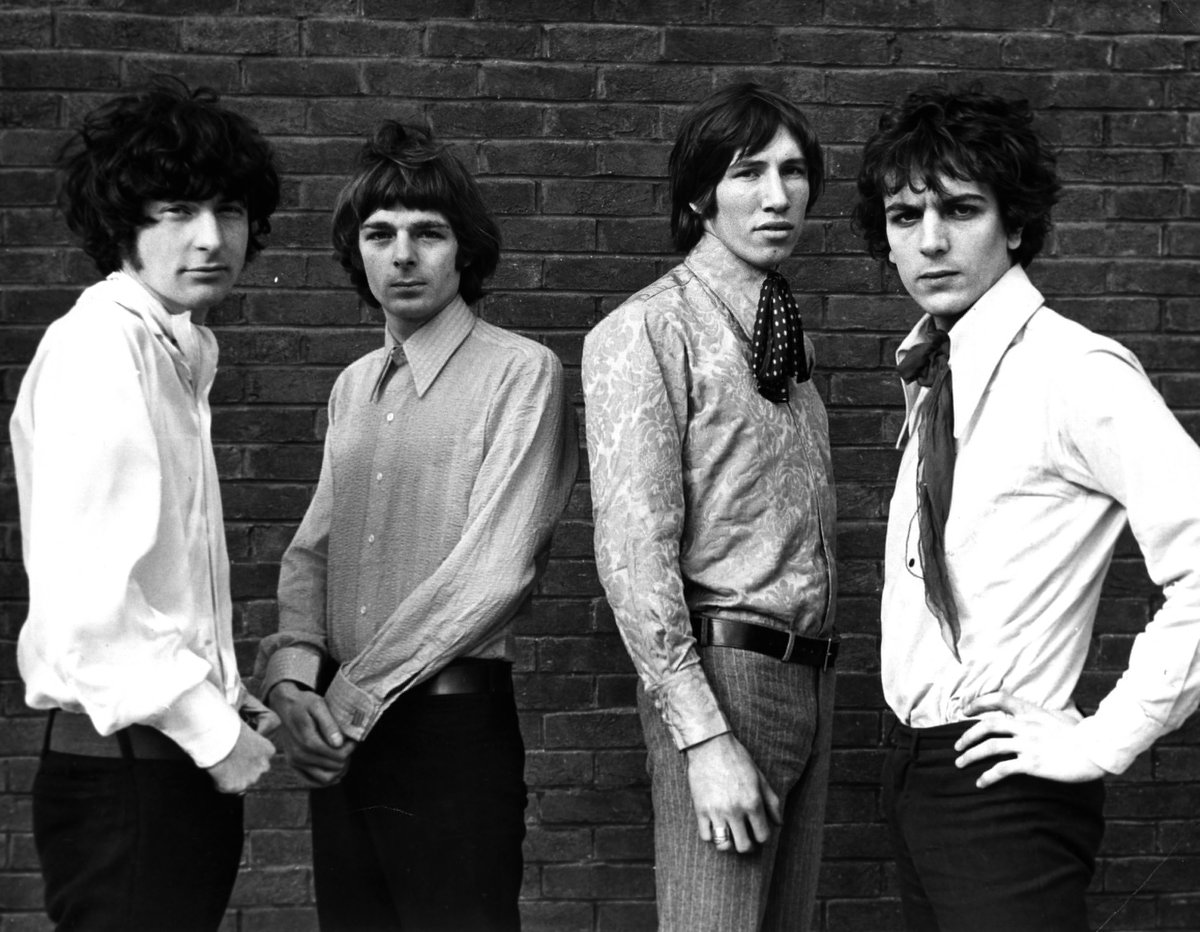
Table of Contents
- How the Band Began
- Two Singles and The Piper at the Gates of Dawn
- Barrett's Exit and Gilmour's Arrival
- FAQ
How the Band Began
Syd Barrett was born in Cambridge in 1946.
Roger Waters, Nick Mason and Richard Wright formed a band with him in London.
In the summer of 1965 Barrett suggested the name, which joined the first names of two blues musicians, Pink Anderson and Floyd Council.
Sources differ on the exact early dates, so this page counts 1965 as the starting year.
From Hobby Band to Full Time
The group began as a part-time project.
It turned professional in late 1966.
London's underground clubs, including the UFO Club and Middle Earth, hosted early shows, as our psychedelic rock guide explains.
Barrett's songs mixed nursery-rhyme whimsy with long, improvised stretches of feedback and echo.
Two Singles and The Piper at the Gates of Dawn
The debut single, "Arnold Layne," came out in March 1967 and reached number 20 in the UK.
"See Emily Play" followed that summer and climbed to number six.
The Official Charts Company lists a 12-week run, from late June to mid-September 1967.
Recording the Debut Album
The band recorded its first album at EMI's Abbey Road studios in London between February and May 1967.
Norman Smith produced it.
It opens with "Astronomy Domine," Barrett's tour of the planets.
Barrett wrote or co-wrote every track but one.
EMI Columbia issued "The Piper at the Gates of Dawn" in August 1967, and it reached number six in the UK.
Tower Records put it out in the US on October 21, 1967.
| Release | Date | Chart peak |
|---|---|---|
| "Arnold Layne" | March 1967 | UK No. 20 |
| "See Emily Play" | 1967 | UK No. 6 |
| The Piper at the Gates of Dawn | August 1967 | UK No. 6 |
| A Saucerful of Secrets | June 28, 1968 | UK No. 9 |
| More (film soundtrack) | 1969 | UK No. 9 |
| Ummagumma | November 7, 1969 (UK) | UK No. 5, US No. 74 |
That crowded London scene also produced The Jimi Hendrix Experience.
Both acts shaped the 1967 sound that reached the UK charts.
Barrett's Exit and Gilmour's Arrival
Barrett's mental health declined badly through 1967 and 1968.
In December 1967 the band added the guitarist David Gilmour as a fifth member.
The first rehearsal with Gilmour took place on January 8, 1968.
The band announced Barrett's departure on April 6, 1968.
A Saucerful of Secrets
"A Saucerful of Secrets" arrived on June 28, 1968, and reached number nine in the UK.
It was the first album made after the split, and it pushed the group toward longer, stranger suites.
Barrett spent most of his remaining life painting.
Waters later wrote "Shine On You Crazy Diamond" as a tribute to him.
More and Ummagumma
The 1969 soundtrack "More" reached number nine in the UK but failed to chart in the US.
"Ummagumma" followed on November 7, 1969, and reached number five in the UK.
It also reached number 74 in the US, the band's first top 100 entry there.
"Atom Heart Mother" gave them their first UK number one in 1970.
The 1968 split had changed the band, but not its ambition.
The Rock and Roll Hall of Fame inducted the band on January 17, 1996, as the Rock Hall's inductee page records.
- Syd Barrett, guitar and lead vocals (to 1968)
- Roger Waters, bass
- Richard Wright, keyboards
- Nick Mason, drums
- David Gilmour, guitar (from late 1967)
FAQ
Who founded Pink Floyd?
Syd Barrett, Roger Waters, Richard Wright and Nick Mason formed the band in London.
Barrett suggested the name in 1965, taken from the blues musicians Pink Anderson and Floyd Council.
Why did Syd Barrett leave Pink Floyd?
Barrett's mental health declined through 1967 and 1968.
David Gilmour was added as a fifth member in December 1967, and the band announced Barrett's departure on April 6, 1968.
What was Pink Floyd's first album?
The Piper at the Gates of Dawn came out in August 1967 on EMI Columbia.
It reached No. 6 on the UK albums chart.
What was Pink Floyd's biggest 1960s single?
"See Emily Play" reached No. 6 on the UK singles chart in 1967.
"Arnold Layne" had reached No. 20 earlier that year.
When was Pink Floyd inducted into the Rock and Roll Hall of Fame?
Pink Floyd were inducted on January 17, 1996, at a ceremony in New York City.
The band's first four years show how fast British psychedelia moved, a story Wikipedia's band history tells in full.
For the wider scene, see our 60s rock overview.
Back to the 1960smusic.net homepage to explore every genre of the decade with Pink Floyd and more.